Event-Driven Architecture (When Time Matters)
A first-principles explanation of event-driven architecture, focusing on time, decoupling, and designing systems that react instead of block.
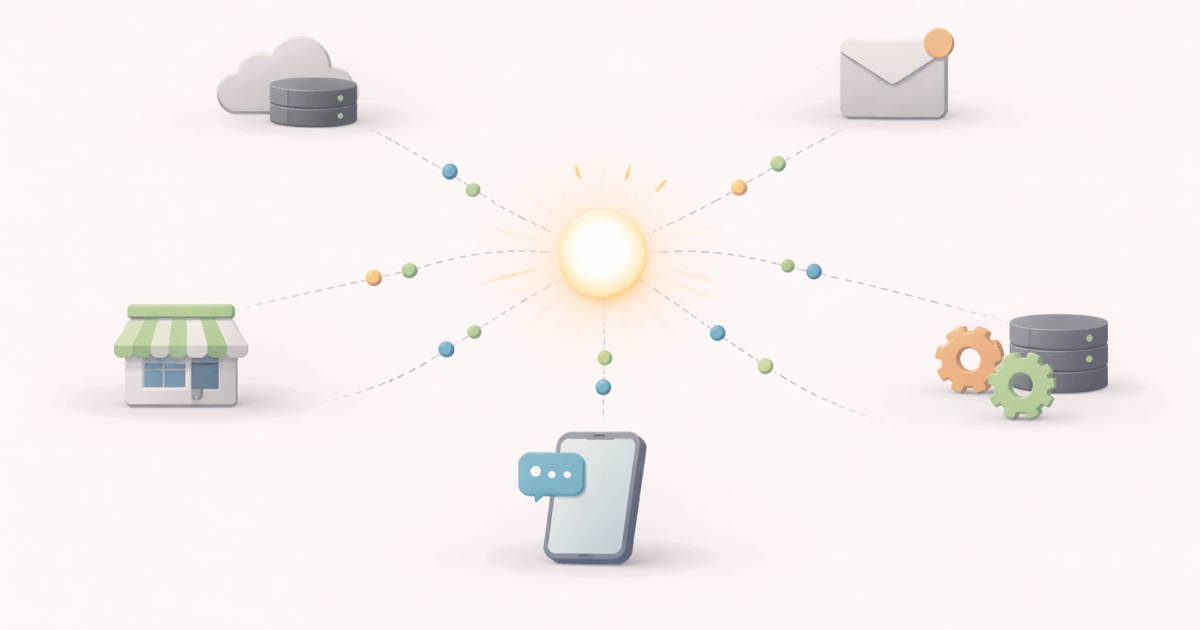
This Didn’t Click for Me Immediately
When I first heard “event-driven architecture”, it sounded… fancy.
Events. Streams. Consumers.
It felt like a pattern you adopt after your system becomes complex.
What I didn’t realize then was this:
Event-driven systems are not about complexity.
They’re about respecting time.
A Small Friction I Kept Ignoring
I remember adding a feature that looked harmless.
User signs up → send welcome email → create profile → update analytics → notify another service.
All in one request.
It worked.
Until it didn’t.
The request got slower.
Failures started leaking across concerns.
One small change meant touching many places.
Nothing was “wrong”.
But the system felt tightly wound.
What Changed My Thinking
At some point, I stopped asking:
“How do I make this faster?”
And started asking:
“Does this really need to happen now?”
That question changed everything.
What Event-Driven Really Means
In an event-driven system:
- something happens
- the system records that fact
- interested parts react in their own time
Instead of:
“Do this, then that, then that…”
We say:
“This happened.”
And we let time flow.
A Simple Example
A user signs up.
That is the event.
What follows:
- send email
- create profile
- update analytics
- notify downstream systems
These are reactions, not dependencies.
The signup doesn’t wait for them.
Visualizing the Shift
Before: Tight Coupling
flowchart LR
    Signup --> Email
    Signup --> Profile
    Signup --> Analytics
After: Event-Driven
flowchart LR
    SignupEvent --> EmailService
    SignupEvent --> ProfileService
    SignupEvent --> AnalyticsService
Now:
- failures are isolated
- time is absorbed
- the system breathes
This Is Not About Queues Alone
Queues help.
But event-driven thinking is deeper than tooling.
It’s about:
- decoupling responsibilities
- allowing partial failure
- accepting eventual consistency
- designing for growth you can’t predict
⚠️ A Common Misunderstanding
Trap: Turning everything into events.
Not everything deserves to be asynchronous.
If a user expects a result now:
- make it synchronous
- make it explicit
- fail clearly
Event-driven systems shine when:
time is flexible, but correctness matters.
How This Connects to What We’ve Learned
Synchronous vs Asynchronous Systems
https://vivekmolkar.com/posts/synchronous-vs-asynchronous-systems/Graceful Degradation
https://vivekmolkar.com/posts/graceful-degradation/Retries and Backpressure
https://vivekmolkar.com/posts/timeouts-retries-backpressure/
These ideas were quietly pointing here.
Events describe reality.
Services decide how to respond.
A Small Exercise
Think about a flow you own.
- Which steps truly must happen now?
- Which could happen later?
- Which failures should not affect the user?
If you can answer this, you’re already thinking event-driven.
What Comes Next
Once systems start reacting to events…
How do we control access and trust?
Next: Authentication vs Authorization