Graceful Degradation (Designing Useful Failure Instead of Total Collapse)
A first-principles explanation of graceful degradation and why designing systems to do less under failure is better than total collapse.
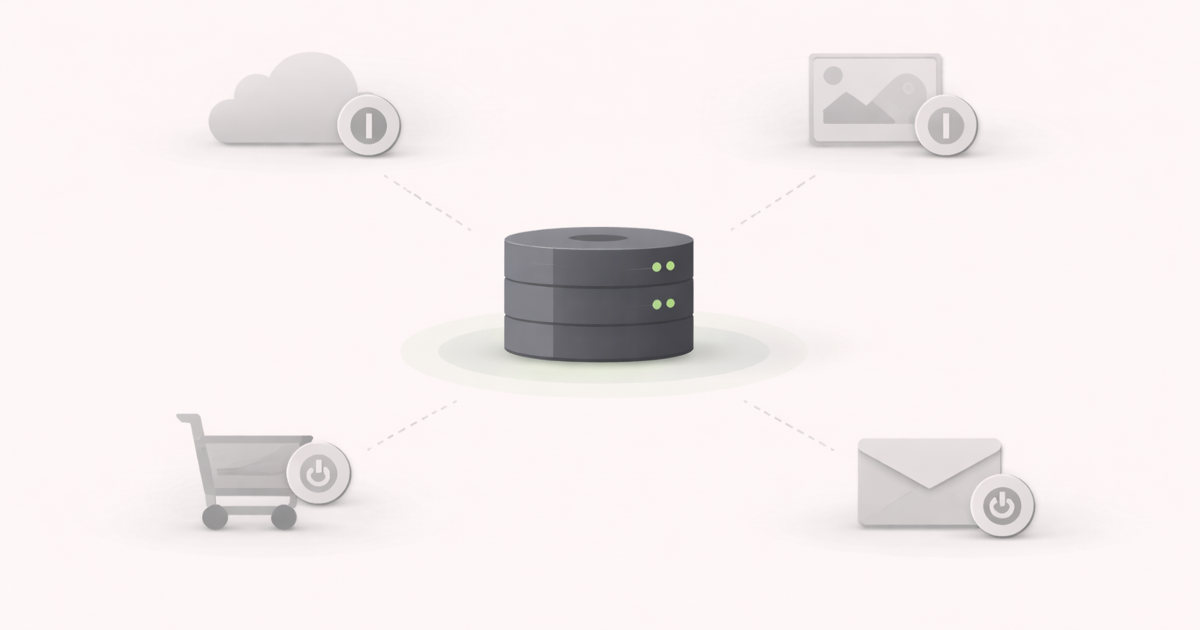
When “Working” Becomes a Spectrum
Most systems don’t fail all at once.
They lose small things first.
- recommendations disappear
- images don’t load
- search becomes slower
- some features quietly stop responding
The system is still up.
But it’s not fully itself anymore.
This isn’t a bug.
This is graceful degradation.
The Core Idea
Graceful degradation means:
When parts of a system fail,
the system remains useful — just less capable.
Instead of:
- total outage
You get:
- partial functionality
- reduced guarantees
- controlled behavior
Failure becomes intentional, not chaotic.
A Simple Story: The Power Cut
When power goes out:
- emergency lights turn on
- elevators stop
- non-essential systems shut down
The building doesn’t collapse.
It enters survival mode.
That’s graceful degradation.
Why Total Failure Is the Worst Outcome
When everything depends on everything else:
- one failure cascades
- retries amplify load
- systems collapse together
Graceful degradation breaks this chain.
It allows systems to:
- shed load
- protect core paths
- preserve trust
What Usually Degrades First
Systems often degrade:
- optional features
- non-critical data
- expensive computations
- background tasks
What stays up:
- core workflows
- essential writes
- critical reads
This is not accidental.
It’s a design choice.
Visualizing Degradation
flowchart LR
    User --> CoreService
    User --> OptionalFeature
    OptionalFeature -->|fails| Disabled
    CoreService --> Success
The goal is simple:
Protect the core, sacrifice the edges.
⚠️ Common Trap
Trap: Treating all features as equally critical.
This leads to:
- all-or-nothing systems
- fragile dependencies
- outages caused by “nice-to-have” features
Not everything deserves the same reliability budget.
How This Connects to What We’ve Learned
Circuit Breakers
Stop unhealthy dependencies.
https://vivekmolkar.com/posts/circuit-breakers/Timeouts, Retries, and Backpressure
Prevent overload before collapse.
https://vivekmolkar.com/posts/timeouts-retries-backpressure/Sharding & Replication
Limit blast radius during failure.
https://vivekmolkar.com/posts/sharding/
Graceful degradation is the policy layer above them all.
A system that does less is better than a system that does nothing.
🧪 Mini Exercise
Take a system you know.
- What is its core responsibility?
- What could be turned off safely?
- What must never fail?
If you can’t answer these,
your system will decide under pressure.
What Comes Next
Now that systems can survive failure…
How should they be structured as they grow?
Next: Monolith vs Microservices
Why this is usually the wrong question.