
System Design Is a Way of Thinking
A reflective close to the system design series, stitching core ideas into a single way of thinking rather than a checklist.
A reflective close to the system design series, stitching core ideas into a single way of thinking rather than a checklist.
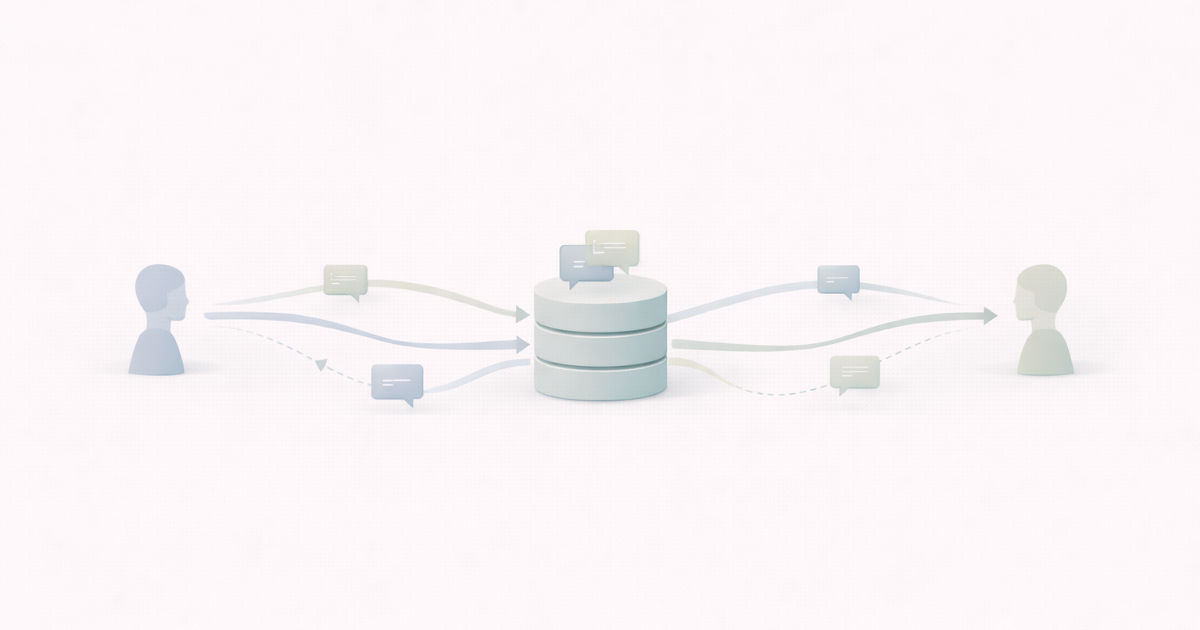
A question-driven walkthrough of designing a real-time chat system, focusing on delivery guarantees, ordering, and trust at scale.
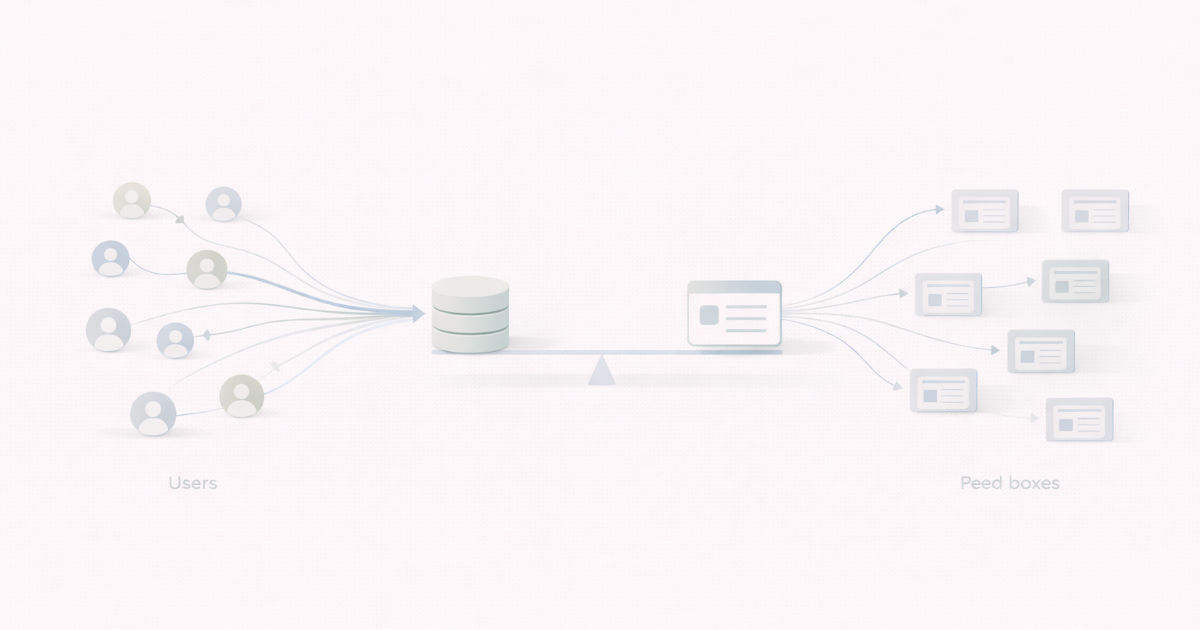
A first-principles walkthrough of designing a news feed by asking when work should happen and how pressure shifts at scale.

A first-principles walkthrough of designing a distributed rate limiter, focusing on fairness, shared state, and pressure under scale.
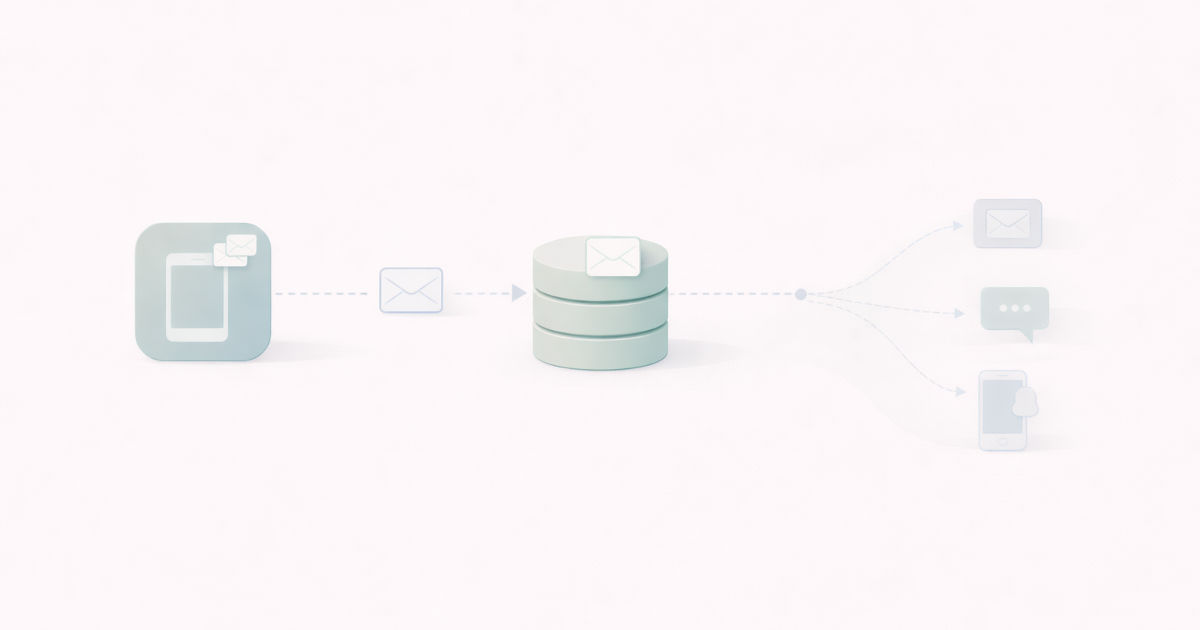
Thinking through a notification system from first principles, letting decisions and diagrams emerge naturally from pressure and failure.
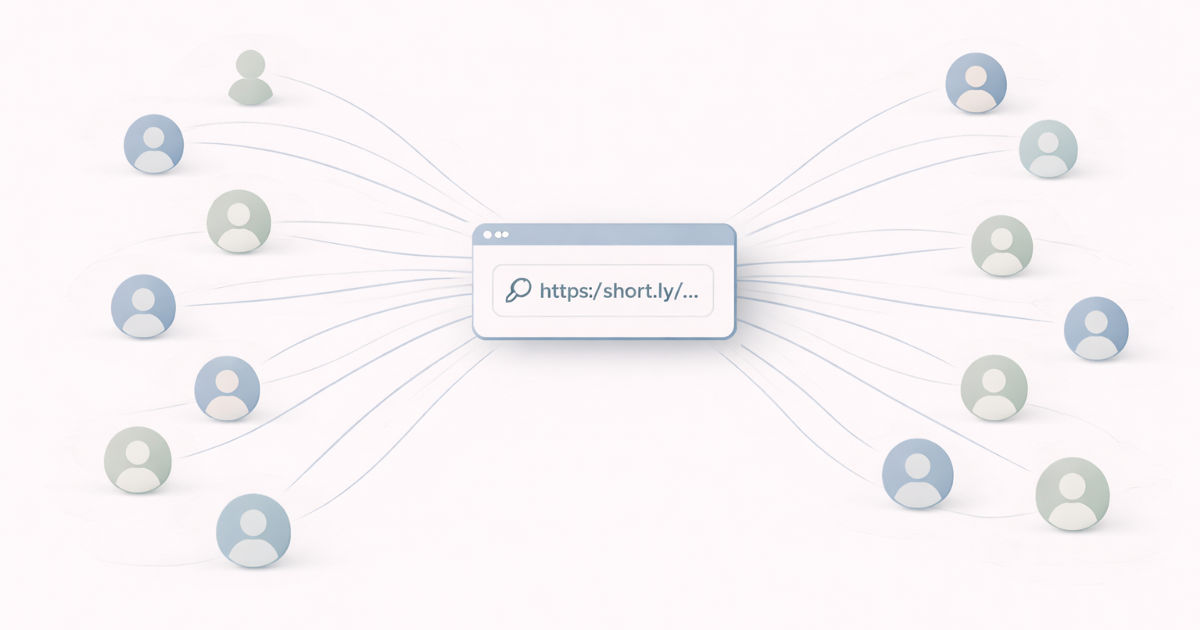
A calm, first-principles walkthrough of designing a URL shortener, focusing on pressure points, failure modes, and decision-making.
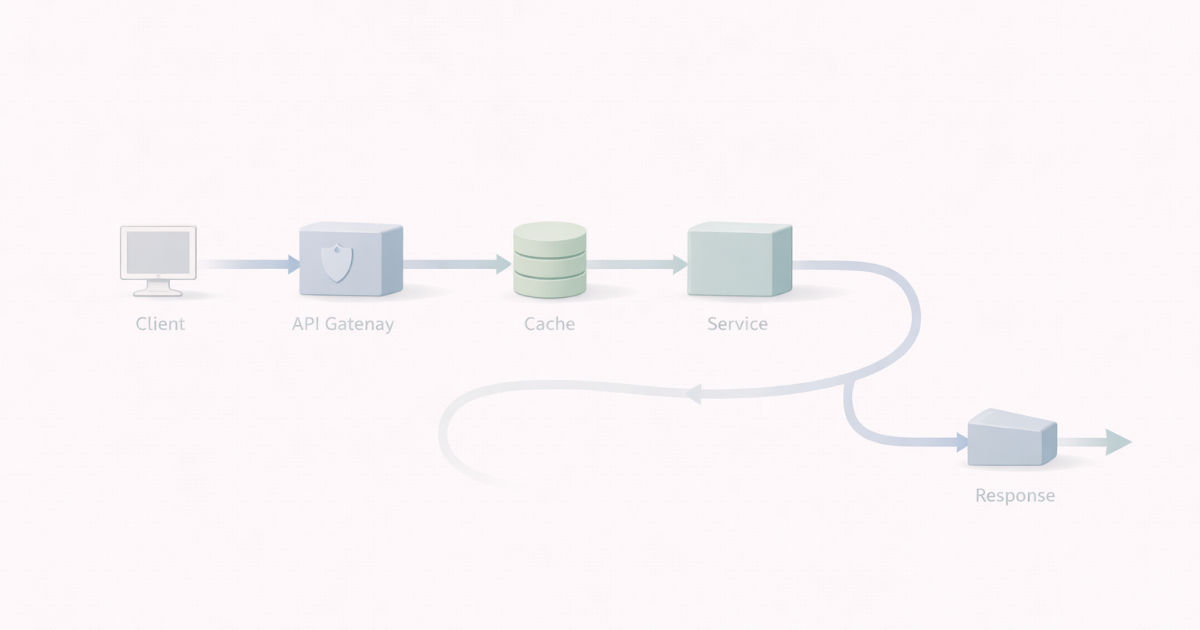
A calm, end-to-end walkthrough showing how core system design ideas interact in a real request flow.

Why systems rarely fail on day one, and how designing for change is about surviving evolving requirements, not predicting them.
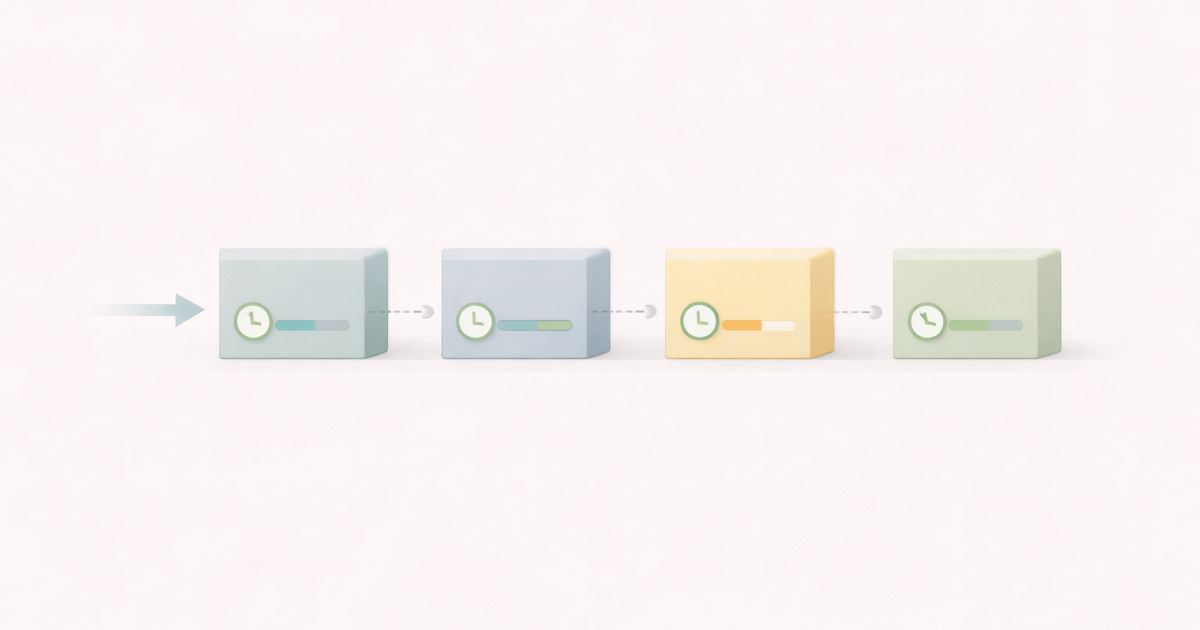
A first-principles explanation of observability — why green dashboards are not enough, and how explaining a request end-to-end changes how systems are debugged.

A first-principles explanation of rate limiting using a simple, intuitive analogy and clear diagrams to show why fairness matters under load.