
Read-Heavy vs Write-Heavy Systems (Why Optimizing One Often Hurts the Other)
A first-principles explanation of read-heavy vs write-heavy systems, how workload shapes architecture, and why optimizing one often hurts the other.
A first-principles explanation of read-heavy vs write-heavy systems, how workload shapes architecture, and why optimizing one often hurts the other.

A first-principles explanation of databases vs caches, clarifying sources of truth, memory, and why confusing the two leads to fragile systems.
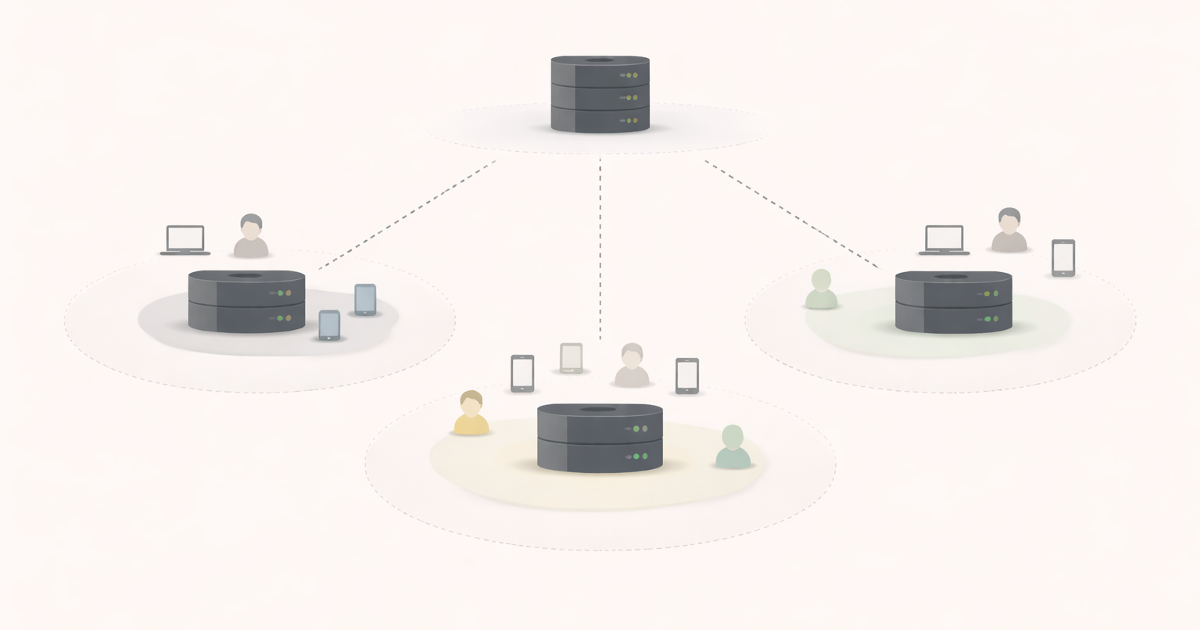
A first-principles explanation of CDNs, how caching moves closer to users, and why distance and geography still matter on the internet.

A first-principles explanation of consistency models, focusing on agreement over time, real-world trade-offs, and why eventual consistency is often intentional.
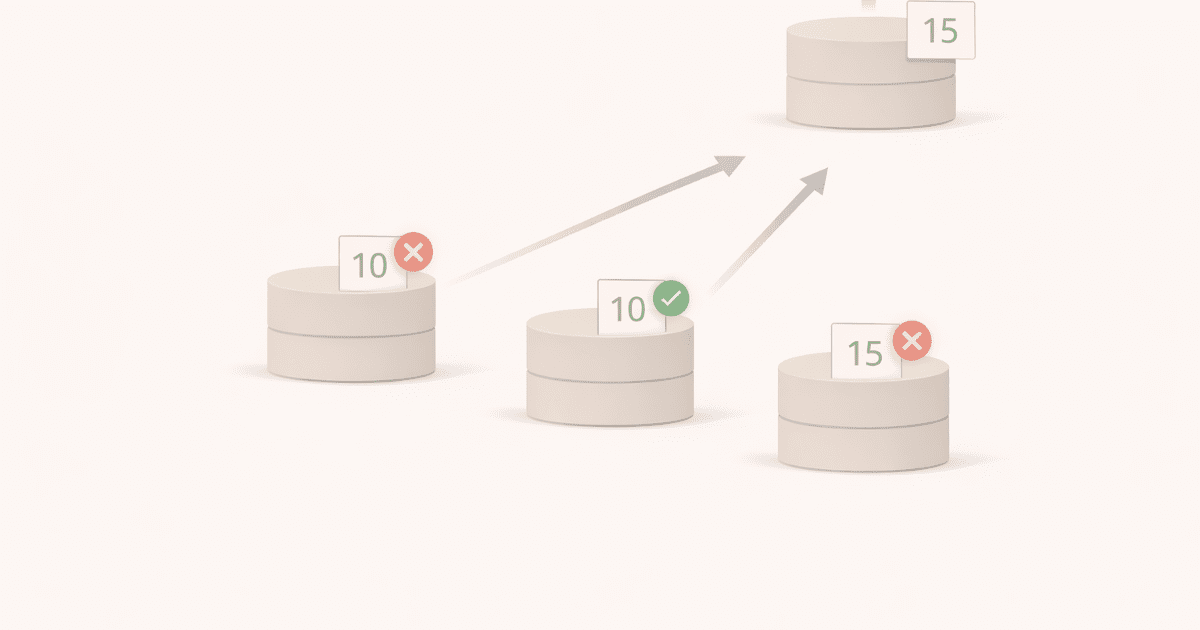
A first-principles explanation of cache invalidation, why it is hard, and how correctness quietly breaks in fast systems.

A first-principles explanation of caching, why it works, where it lives, and why it quietly powers fast systems.
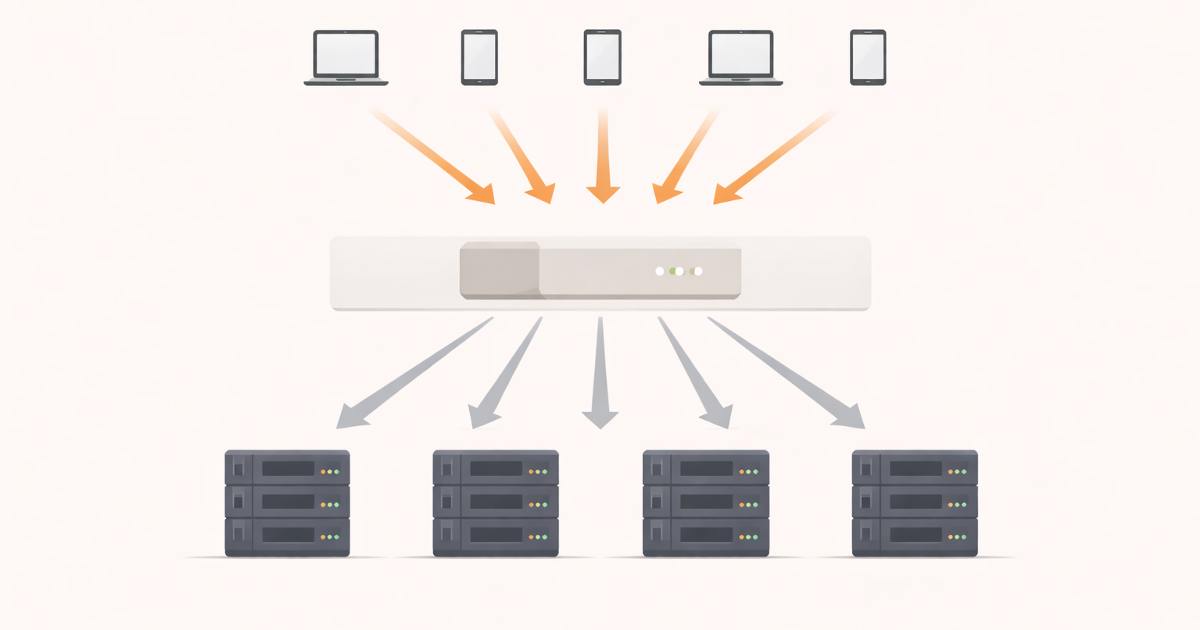
A first-principles explanation of reverse proxies, why they exist, and how they simplify modern system design.
A reflection on why publishing threads is a cognitive problem, and why not everything should be automated.
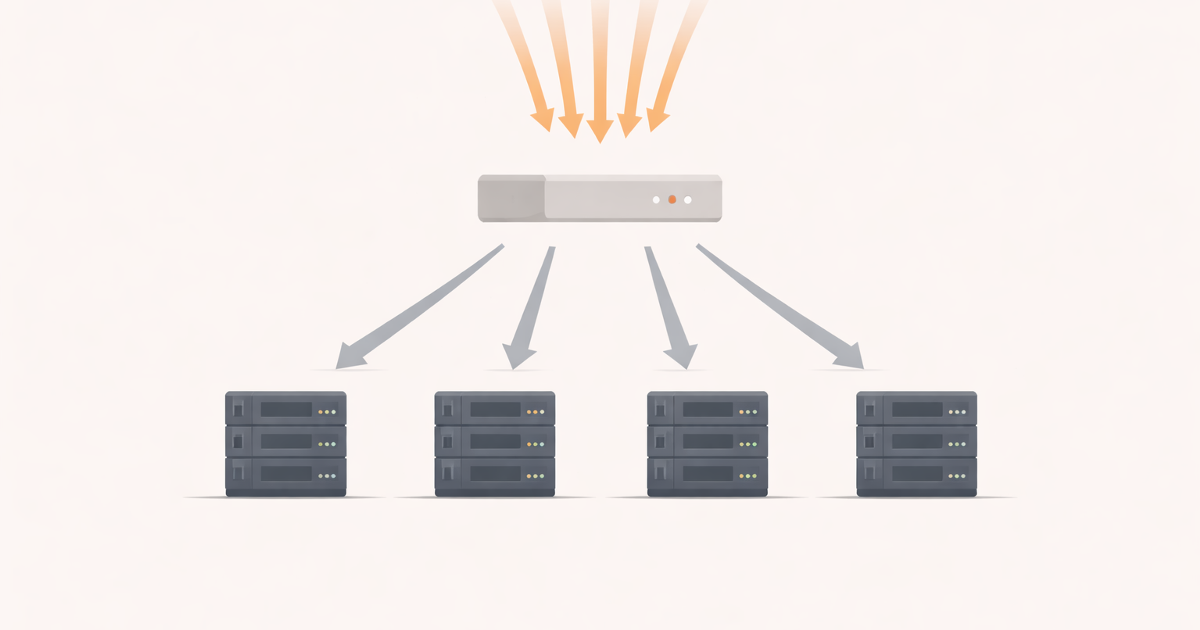
A first-principles explanation of load balancing, why it matters, and how it connects to statelessness, scaling, and failure handling.
A calm summary of system design foundations, showing how core concepts connect into one mental model.